


The 53 best series on BBC iPlayer to watch in July
The 53 best series on BBC iPlayer to watch in July

Benji Wilson Sun, July 26, 2026 at 8:00 AM UTC
0
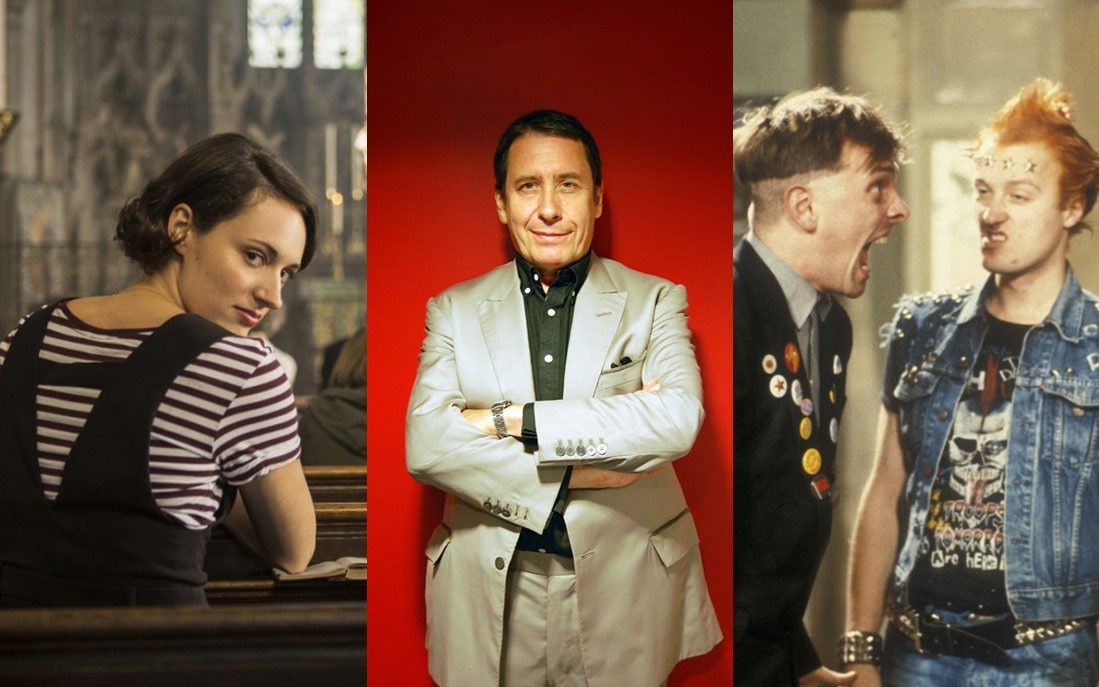
The BBC’s iPlayer service isn’t the biggest or the most showy streamer out there, but it was one of the first… and it’s still one of the best. At a time when TV is global and sometimes a little faceless, iPlayer remains distinctly British. Full of hidden gems as well as timeless classics, it’s got everything from vintage movies to ravishing documentaries through to gripping drama boxsets to serious arts documentaries – as well as a repository of much-loved children’s television of the sort that US streamers tend to ignore.
The only problem, as so often with modern, all-you-can-eat television, is where to start. Here’s the cream of the crop, taking in the very best from the headline grabbers to the diamonds in the archive.
How did we select our 53?
Burrowing into both the iPlayer service itself, our own archive of reviews, and our TV team’s bank of hotly held opinions, we’ve been able to highlight the 53 shows and films that we believe are most worthy of your time right now, split over seven genres.
Must-see show of the monthAnn Droid
Sue Johnston and Diane Morgan are every bit the comedic dream team you would wish in this neat new sitcom, in which Johnston’s pensioner is coerced into accepting into her life Morgan’s borderline-obsolete care robot. At once a treatise on ageing and a traditional odd couple comedy, it has both heart and humour – and a glorious cameo from Rylan.
Our review: You know what they say: before the age of 65, you trip and fall. After 65, you have a fall. Beneath all the light comedy in this show is a heartfelt look at the challenges of growing old. Sue Johnston’s performance is wonderful.
Jump to:
Drama
Food and lifestyle
Arts and music
Comedy
Documentaries/science and nature
CBeebies/CBBC
From the archive
DramaDear England
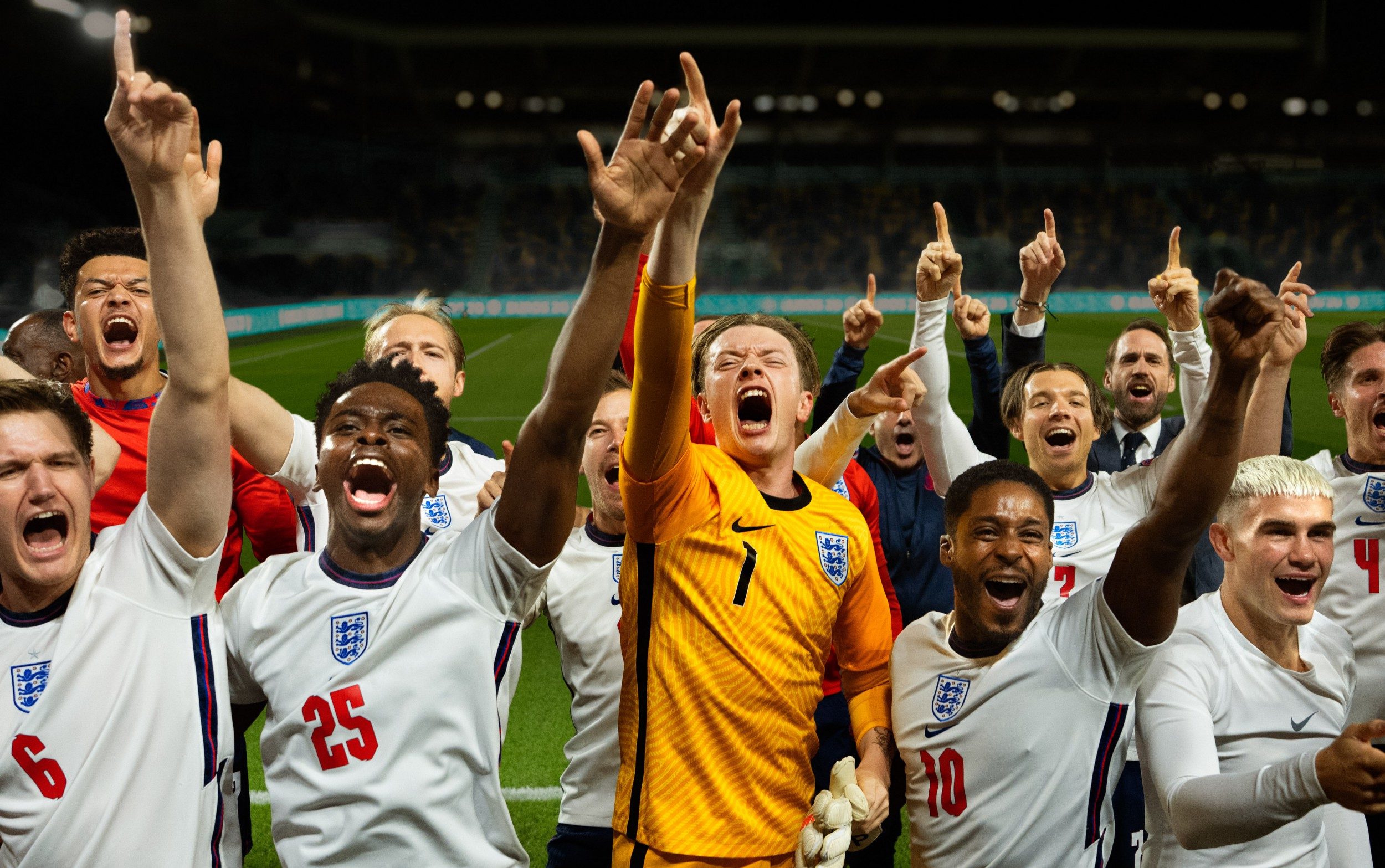
Dear England is a fictionalised account of the struggles and successes of the England men’s football team under Gareth Southgate - BBC/Left Bank/Justin Downing
One doesn’t have to be a football fan, or indeed an England supporter, to enjoy this four-part series, a fictionalised account of the struggles and successes of the England men’s football team under the leadership of Gareth Southgate, which James Graham has adapted from his award-winning play staged at the National Theatre in 2023. In his state-of-the-nation work, Graham explores not only the psychology of elite sport, but also politics, national identity and the idea of inherited trauma; Germany and penalty shoot-outs loom large here.
Our review: “Honed in the theatre over several years, Joseph Fiennes gives one of those performances that is so convincing and minutely observed that by episode two, he is more Southgate than Southgate ever was.”
The Other Bennet Sister
Few books have been adapted as often as Jane Austen’s Pride and Prejudice – and even fewer of those adaptations have felt as fresh as this delightful 10-part reinterpretation. Adapted from the novel by Janice Hadlow, it retells the story from the perspective of Mary (Call The Midwife’s Ella Bruccoleri), the plain, bookish Bennet sister who is overlooked in favour of her four prettier siblings. It is a compelling story in its own right: a playful pursuit of happiness and identity, set against the familiar Austen struggle between brains and beauty. Yet the adaptation is at its richest when it plays with your knowledge of Elizabeth’s story. At one point, a bitter Mary tells her sister that, “You always get what you want without needing to try, whereas I try so hard.” A barbed perspective on literature’s most famous heroine.
Our review: “The Other Bennet Sister gives this forgotten character her moment in the spotlight, and it is a thing of pure delight.”
Lord of the Flies
Underwhelmingly adapted twice for the cinema, William Golding’s classic 1954 allegory of civilisation and savagery (and staple of GCSE syllabuses for decades) may have found the perfect team to realise it in red-hot screenwriter Jack Thorne and Thorne’s frequent collaborator, director Marc Munden. Shot in Malaysia and starring a remarkable cast of debutants, the four-part drama tells the story of a group of schoolboys stranded on a desert island after a plane crash. We begin with Piggy (David McKenna, at this early stage arguably as much a revelation as Owen Cooper in Adolescence), the gentle, vulnerable brains behind a survival mission that will soon enough be divided between warring camps led by courageous, practical Ralph (Winston Sawyers) and swaggering, tyrannical Jack (Lox Pratt, who will play Draco Malfoy in the forthcoming Harry Potter series).
Our review: “This is a first-class example of an adaptation done right, and television breathing new life into a familiar story.”
Death in Paradise
This long-running “fish-out-of-water” cosy crime drama, which sees a British detective sent to the fictional island of Saint-Marie, has a committed and loyal following. The detective role has changed hands a few times now. It began with Ben Miller, before passing to Kris Marshall, Ardal O’Hanlon, Ralf Little and now Don Gilet. It’s ideal escapist viewing for those who like their crime dramas to come with a dose of fun, sun and tongue-in-cheek humour.
Our review: “Detectives come and go in Death in Paradise, but Don Warrington is the backbone of the show. At the end of series 14, the producers toyed with our emotions by temporarily writing him out. How dare they! Fortunately, his exile didn’t last long. And we may be 15 series in, but the sunny crime drama shows few signs of flagging.”
Doctor Who (1963-1989)
While we wait for news on how the new series is set to continue following the exit of Ncuti Gatwa’s Doctor, it feels like there’s currently more excitement around the show’s original incarnation, what with the recent return of two 1965 episodes featuring the Daleks (and rumours of more to follow). So why not take a journey through the near-entirety of the show’s first 26-year run on screen, allowing for the odd missing episode, and those stories which the BBC currently doesn’t have the rights to show? It begins with William Hartnell’s towering, crochety take on the Time Lord, and ends with Sylvester McCoy’s more madcap, yet melancholic version. The mostly excellent reboot run, from 2005 to 2022, is separately available, as are the two patchy Gatwa series, plus David Tennant’s 2023 three-part reprisal for the show’s 60th anniversary.
Industry
Four series of this brutal excoriation of investment banking (and later modern capitalism more generally) have seen it go from wild to wilder to: did they really just show that on the BBC? But at its heart, Mickey Down and Konrad Kay’s brilliant creation just keeps asking if life is a rat race, how far will some people go to win?
Our review: “What started out in 2020 as a precinct show, where the precinct was the trading floor of an investment bank and the ensemble was a group of grads trying to work out if there was more to self-worth than net worth, has evolved into a full-blown political epic.”
Bodies
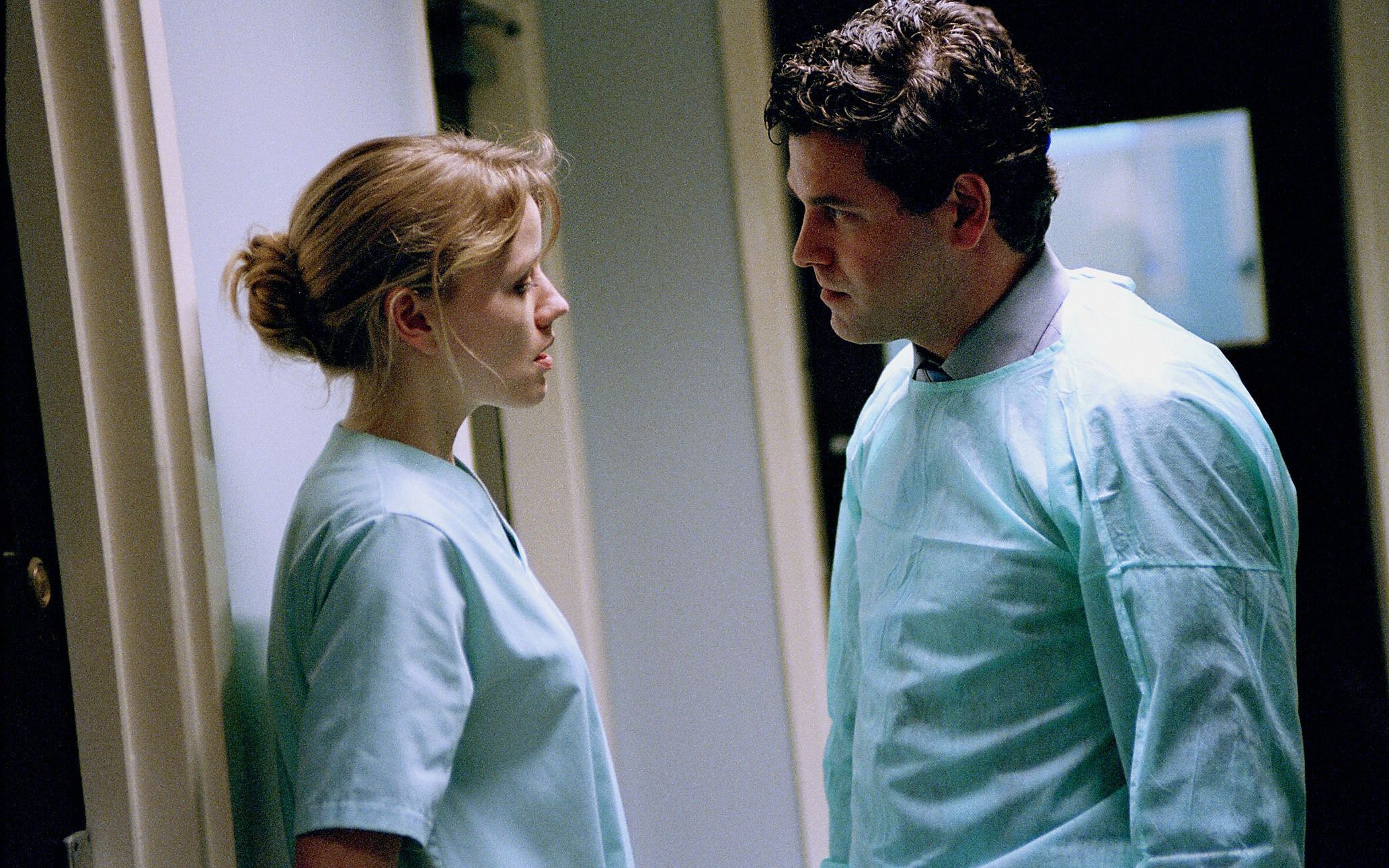
Tamzin Malleson and Patrick Baladi in Bodies - BBC
Before he created Line of Duty, writer Jed Mercurio made his name with this dark hospital drama. He knew the world from the inside – Mercurio was a former hospital doctor – and, in 2004’s Bodies, he dissects and anatomises the modern practice (and malpractice) of medicine with an unflinching gaze.
Our review: “Bodies has the rude smack of Mercurio’s former career as a doctor in A&E. At times, it feels more like a work of journalism than fiction.”
Elizabeth R
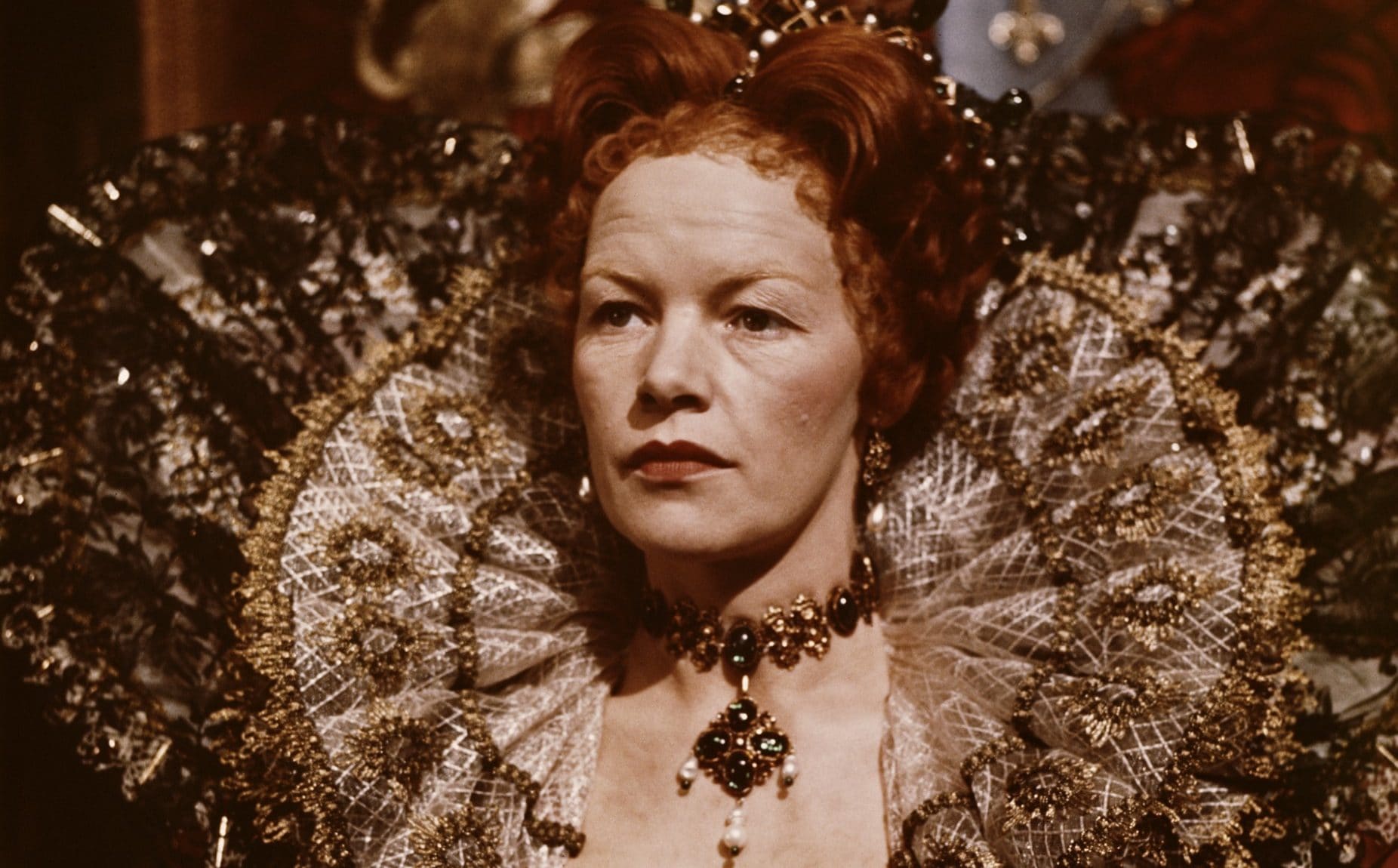
Glenda Jackson as Elizabeth I - Getty
The late Glenda Jackson gave her finest television performance (and won two Emmys) as the Virgin Queen in this series of six plays first broadcast in 1971. It is vintage BBC period drama with lavish locations and costume design, but Jackson’s steely brilliance in the title role still stands out.
I May Destroy You
Along with Fleabag, Michaela Coel’s 2020 acid comedy-drama was the other female-led, London-set, genuinely groundbreaking series in recent British television. Arabella (Coel) is a millennial Twitter star and now novelist coming to terms with online fame. Then she is drugged and assaulted on a celebratory night out.
Our review: “What you do not expect from this story is humour. Yet Coel has pulled off the seemingly impossible by creating a drama that is frequently funny. What Coel seems to be saying is that trauma doesn’t erase the essence of you.”
Tinker, Tailor, Soldier, Spy
Although John le Carré is back in vogue with a second series of The Night Manager and a new Spy Who Came in From the Cold in the works, this 1979 ten-part adaptation has never been bettered. It’s largely down to Alec Guinness as George Smiley, the deputy head of the Secret Intelligence Service who’s brought out of retirement to hunt down a high-level traitor.
Blue Lights
Writers Declan Lawn and Adam Patterson were investigative reporters in Northern Ireland before they created this police drama, so they knew their patch.Over three series, with a fourth already commissioned, they have created a gripping drama steeped in the stench of the Troubles but anchored in brilliant, contemporary characters.
Our review: “Blue Lights was a stealth hit in 2023, followed by a Bafta-winning second series in 2024. And I’m happy to tell you that the quality remains sky-high for series three.”
Ludwig
Ludwig is the pen name for David Mitchell’s crossword setter, who happens to have an identical twin brother in the Cambridgeshire police force. When he goes missing, our Ludwig pretends to be him in order to try and solve this real-life puzzle. It’s far-fetched, of course, but gets away with it thanks to a playful script and Anna Maxwell Martin excelling as the missing cop’s wife.
Our review: “Ludwig is really very good. It’s cosy crime without being twee, blessed with a witty script.”
Happy Valley
The finest police drama of the last 20 years (discuss) is also a triptych, a three-series portrait broadcast over a decade of a middle-aged woman confronting her male nemesis. Sarah Lancashire hit astonishing heights as Catherine Cawood, caught between a moral crusade and personal loathing as she came to terms with James Norton’s Tommy Lee Royce.
Our review: “Thrillingly well observed, and often just plain thrilling, the drama is elevated into greatness by its two central adversaries: Sgt Catherine Cawood (Sarah Lancashire) and Tommy Lee Royce (James Norton).”
Line of Duty
The series that gave us Ted Hastings and his inimitable coinages (who had ever sucked on diesel before LOD?) was a benchmark for audacious plot twists and taut interrogation scenes. Its relentless insinuation that police corruption – “bernt carpers” – went right to the very top sustained it through six series, and it was so popular that last year it was announced that AC12 will indeed return for a seventh run.
All Creatures Great and Small
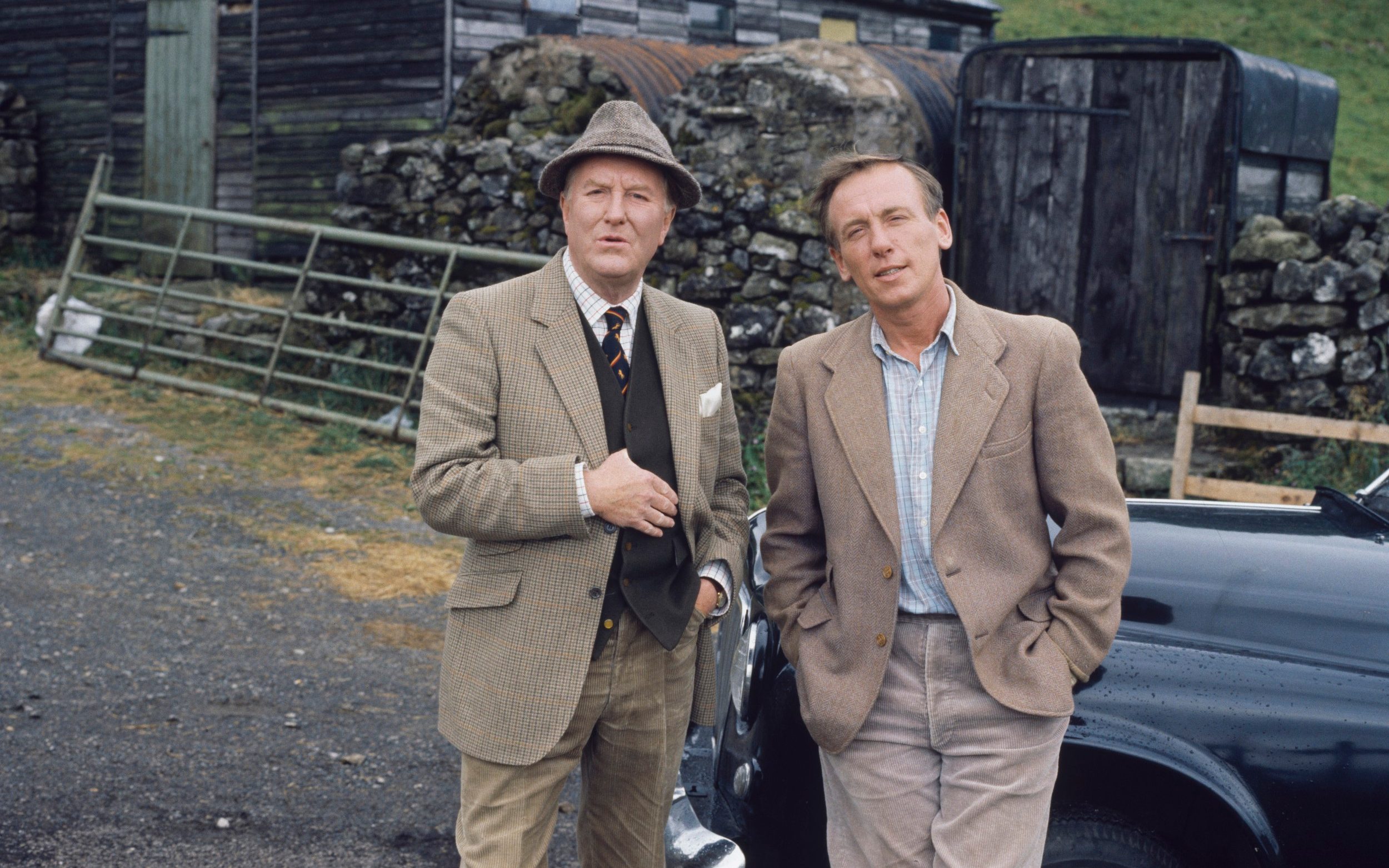
Robert Hardy and Christopher Timothy starred in All Creatures Great and Small - Tim Roney/Hulton
The Channel 5 remake is a cockle-warming treat but do make an appointment to see the original. Christopher Timothy as fledgling vet James Herriot and Peter Davison as his flighty young pal Tristan chalked up 70 episodes of animal mishaps and Yorkshire Dales charm from 1978, but it’s a curmudgeonly Robert Hardy as Tristan’s older brother (and James’s boss), Siegfried Farnon, who makes the show.
Pride and Prejudice
The impact of Colin Firth emerging from a lake in a sodden, puffy shirt has overshadowed just what a brilliant adaptation this 1995 Andrew Davies classic was. It set the template for the next decade of British period drama, showing that there was wit, modernity and yes, sex to be extracted from the original texts, be they Austen, Thackeray or Dickens.
Jonathan Creek
There wouldn’t be an Only Murders in the Building, nor a Ludwig (see above), nor quite possibly the whole genre of cosy crime without David Renwick’s Jonathan Creek. Alan Davies played the title character, a set designer for a stage magician who used his understanding of illusion to solve crimes. Along the way, we were introduced to the talents of a young Sheridan Smith, showing that comedy could sit quite happily with drama and thrills.
Food and lifestyleMadhur Jaffrey’s Flavours of India
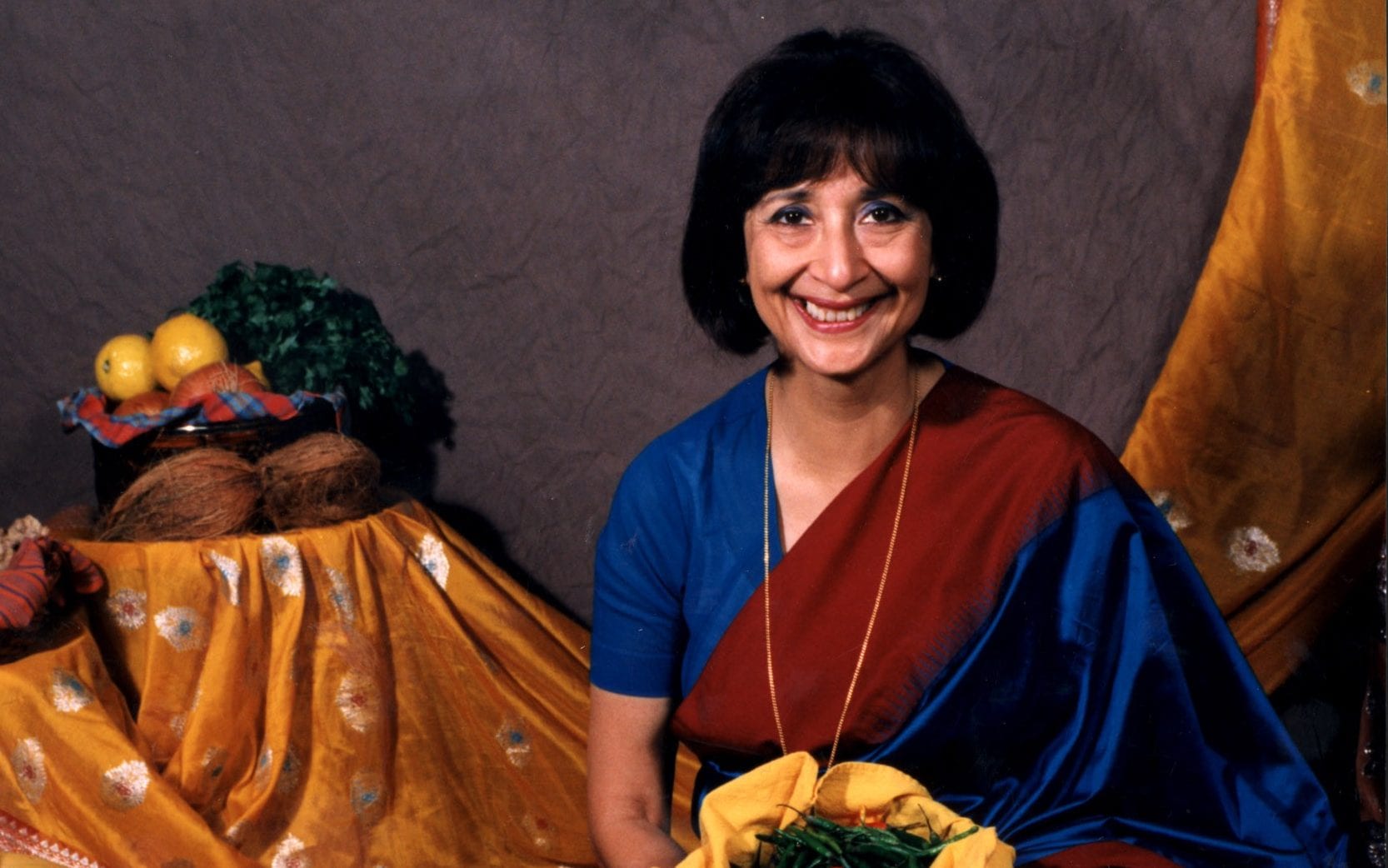
Madhur Jaffrey in Flavours of India - Ken Green
There had been many cookery shows before and many great chefs, but in 1995, Madhur Jaffrey took on a tour of India, recreating dishes from six different states. And lo, the culinary travelogue was born (along with a renaissance in British Indian cooking that has continued ever since).
Nigella Kitchen
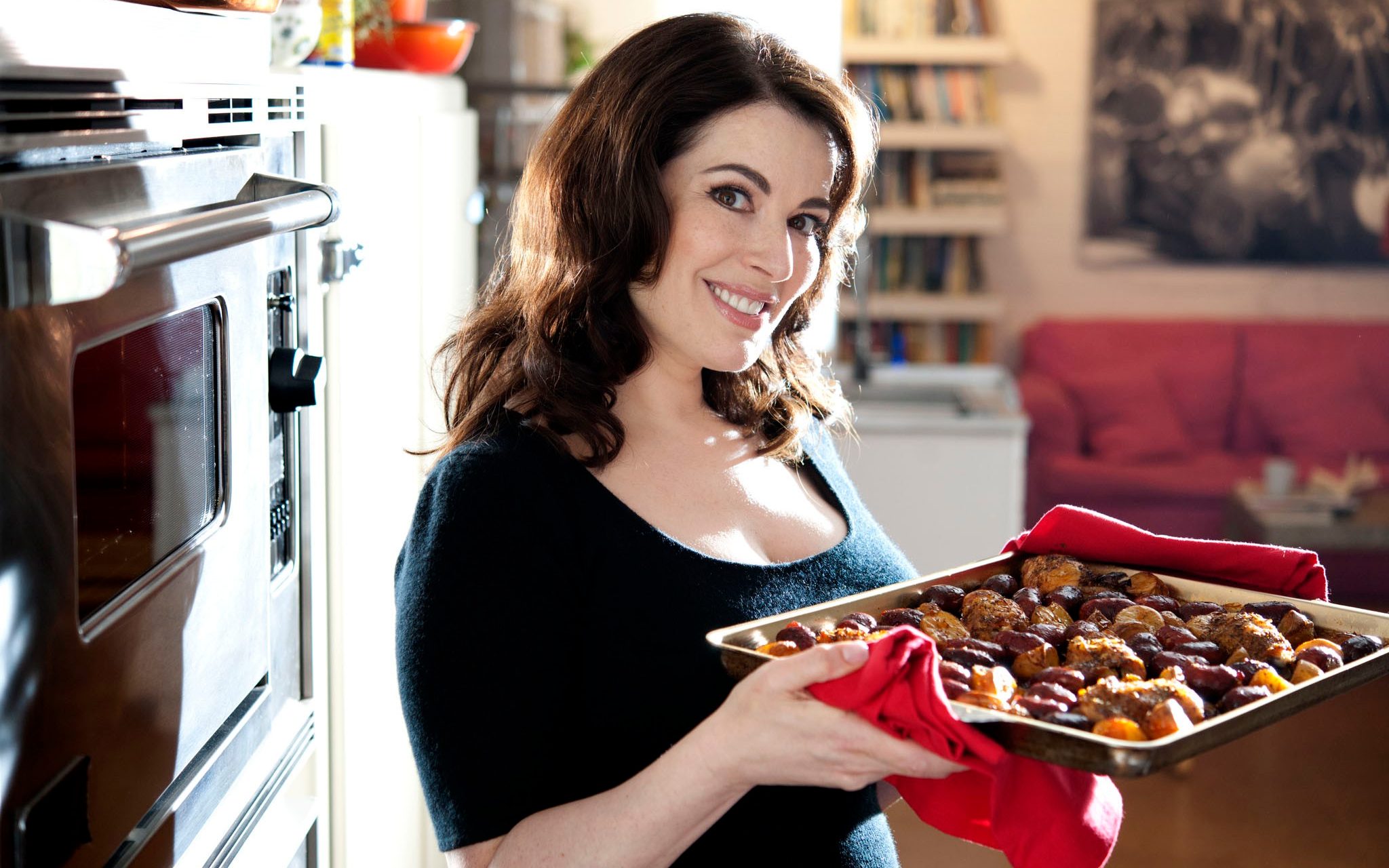
Nigella Lawson - BBC
The apogee of can-do cookery, Nigella Lawson’s best series is grounded firmly in reality – recipes that work, recipes you’ll want to cook, recipes that won’t break the bank. And most of all, advice on how to appease kids and freeze leftovers for later use. Incredibly, this was a genuine innovation when the series came out in 2010.
Our review: “Nobody does over-the-top likeNigella. At 50, she’s more domestic grande dame than goddess, the finger-licking replaced by eye-rolling and a lot of hair-tossing, giving the effect of a startled racehorse (it’s a slightly demented look; I blame the cameraman).”
Around the World in 80 Days
Michael Palin’s challenge was to emulate the adventures of Phileas Fogg and circumnavigate the globe, travelling by land and sea. But what came out of that challenge was a new form of travel television, making the inimitable former Python as much the subject as the places he visited. Palin was exquisite company in this and his many globetrotting series that followed.
Race Across the World
Five series in, and the best reality competition of the last decade has aged well. Diving into a series you haven’t seen takes you to a part of the world you won’t know and introduces you to a new cast of contestants, who never disappoint. Its strength is its simplicity – get from point A to point B on a map with a fixed budget and no mobile phone. And try not to fall out with your partner.
Our review: “Race Across the World is far more than just a contest. It’s also an immersive travelogue and intimate reality show.”
Arts and musicCivilisation
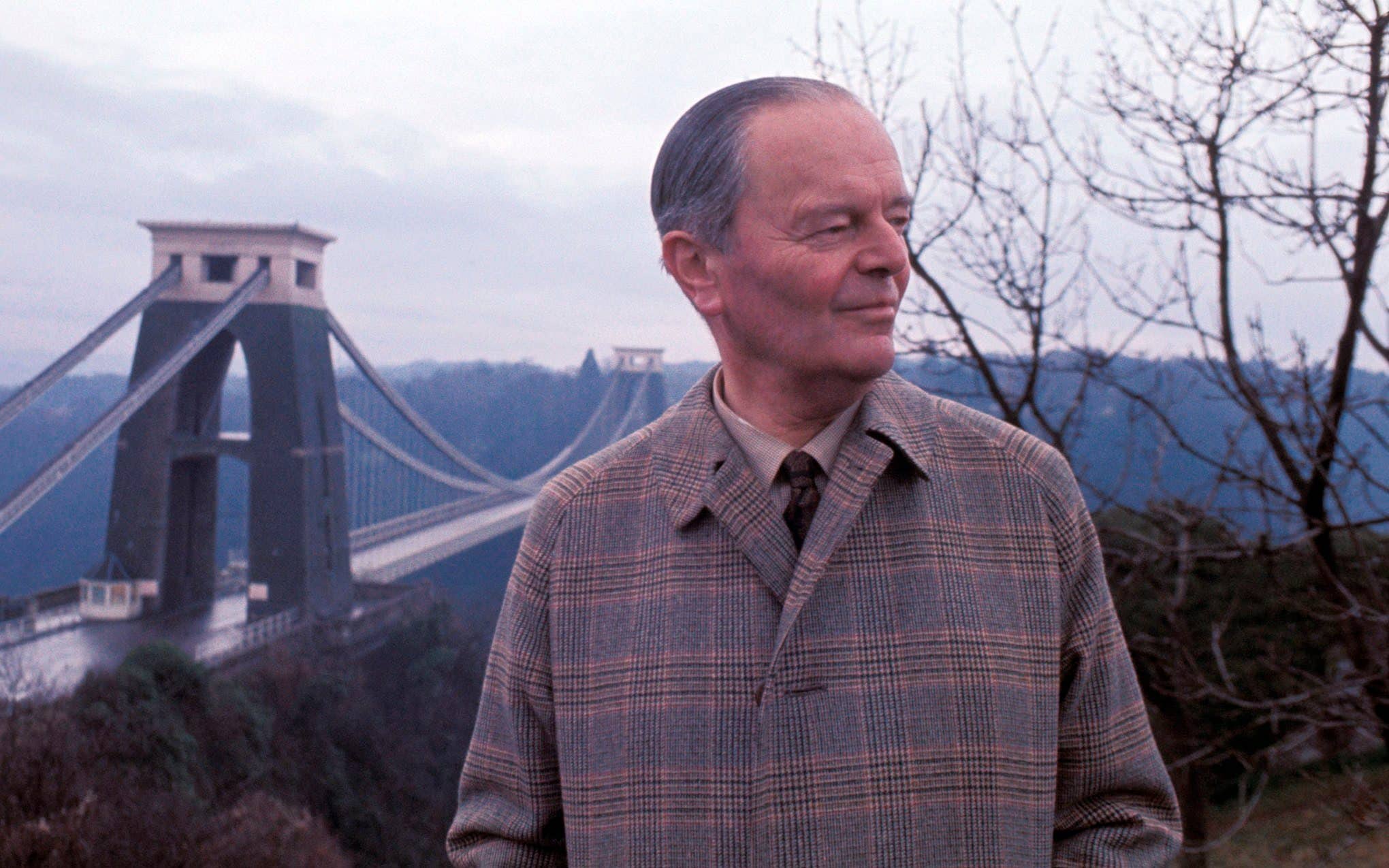
Kenneth Clark at Clifton Suspension Bridge - BBC
Kenneth Clark’s landmark cultural tour, first broadcast in 1969, set the blueprint for all serious arts television that followed. Unashamedly high-minded, Clark’s story of Western art and philosophy is also very much an authored vision. Think of your sternest, most intelligent school teacher and then imagine him giving you a brilliant lecture course – and now in splendid high definition.
Advertisement
Imagine…
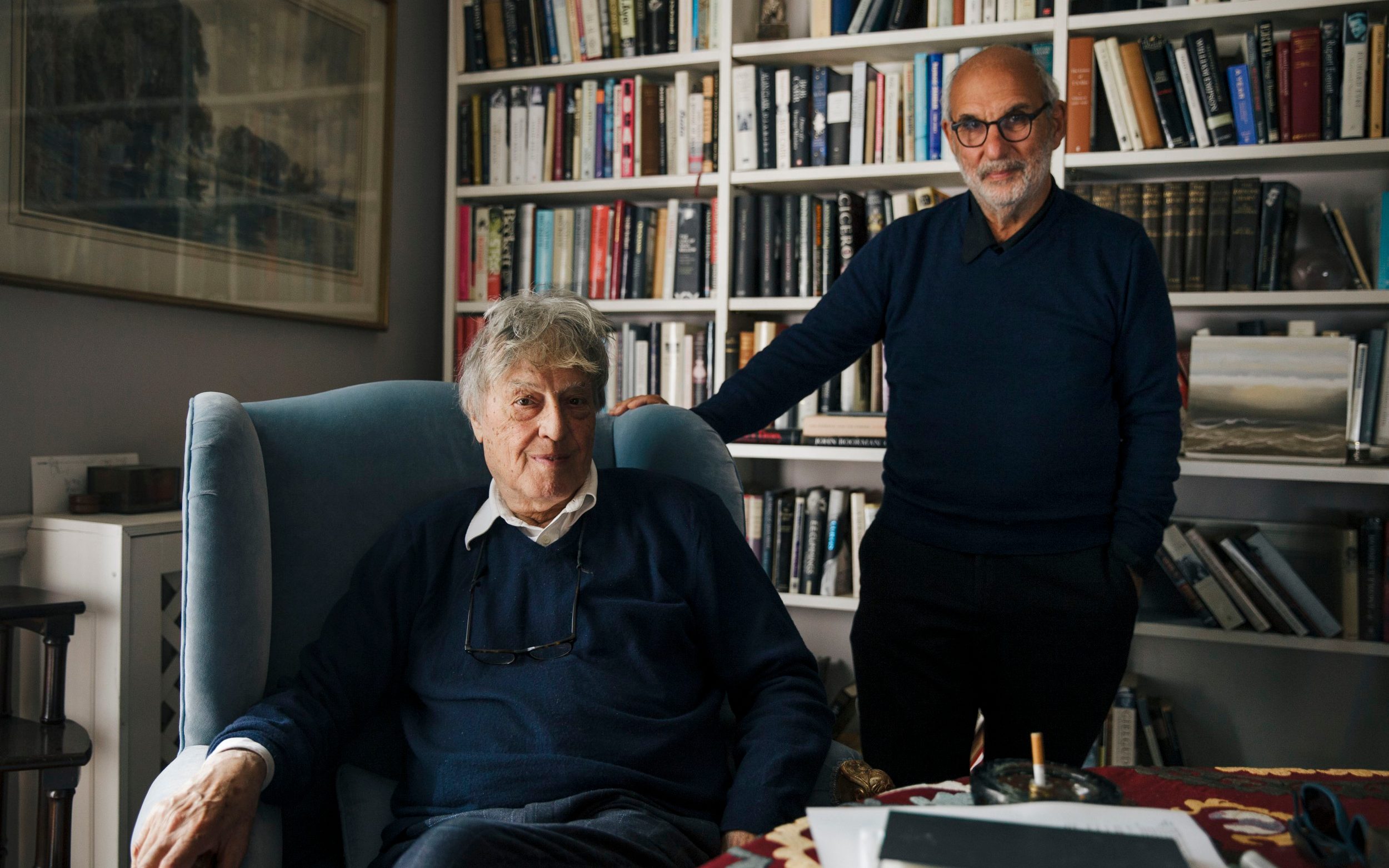
Alan Yentob’s interview with playwright Tom Stoppard (left) was one of his finest - BBC
The death of Alan Yentob in early 2025 is reason enough to go back to his defining arts series, but once there, you’ll be dazzled not just by the depth but also by the breadth of his studies. From his first film on Arthur Miller in 2004 to a brilliant analysis of Armando Iannucci in his last film before he died, Yentob’s tastes are wide-ranging and his curiosity infectious.
Boybands Forever
An ice bath of nineties nostalgia that, across its three parts, details how the boyband industrial entertainment complex chewed up and spat out a generation of wannabe pop stars. Millions were made from their records and concerts, though as this excellent three-part documentary shows, very little of that went to the heart-throbs doing the backflipping.
Our review: “And then there’s Simon Cowell, sipping tea in his shades like a Despicable Me villain, smirking about this ‘intense, horrible, disgusting business’. He dismisses complaints about life in a boyband.”
Later… With Jools Holland
Whoever said that music television has been killed off by YouTube neglected to tell Jools Holland. His Later… strand continues to feature live performances from right across the musical spectrum, with everyone from the Pixies to Max Richter available on iPlayer. Plus, at a time when everyone wants Oasis tickets, a feature-length compilation special featuring two brothers called Gallagher.
Our review: “Few people would have bet, back in October 1992, that a new TV show called Later… with Jools Holland would be the last remaining music show on terrestrial television three decades hence.”
ComedyAmandaland
Absurd wannabe influencer Amanda (Lucy Punch) is fast becoming one of TV’s great comic characters. The second series of the Motherland spin-off finds her as delusional as ever. Much like David Brent or Hyacinth Bucket, the beauty of Amanda is the gulf between who she wants to be (an enviable high-flying success) and who she actually is (a vain egotist who works in a kitchen shop).
Our review: ““So you post a picture of yourself eating cake and that’s a job?” asked a baffled Joanna Lumley, neatly summing up the absurdity of being a social media influencer. Luckily for us, it’s a job with endless comic potential, and this second series overflows with jokes about Amanda (Lucy Punch) trying and failing to become a luxury content creator. It remains the BBC’s best sitcom by a country mile.”
The Royle Family
A sitcom without frippery, clowning or conceit, The Royle Family relied almost entirely on dialogue and performance for its portrayal of a working-class Manchester family who mainly sat and watched TV. Luckily, in Craig Cash and Caroline Aherne’s script and a cast including Sue Johnston, Ricky Tomlinson, Ralf Little and both the writers, they had both in spades.
The Fast Show
This machine-gun sketch-show resuscitated catchphrase comedy for the 1990s. The Fast Show’s ‘if you don’t like this character or gag, don’t worry, there’ll be another one here soon’ format turns out to be the perfect vehicle for TikTok short form humour – 20 years before TikTok even existed. Suits you sir!
Detectorists
A quiet, life-affirming comedy about male friendship and pootling about in fields metal detecting. Sorry, detectoring. All three series of Mackenzie Crook’s timeless series are on iPlayer and every episode contains hidden gems (unlike the Danebury fields that Lance and Andy spend their whole time combing for treasure).
Our review: “This is really a programme about companionship. Lance and Andy bicker constantly and re-tell the same jokes but, just like Fletch and Mackay in Porridge or Albert and Harold in Steptoe and Son, the pair couldn’t survive without each other.”
The League of Gentlemen/Inside No. 9
Comedy reached a surrealist peak with these two series from the minds of Reece Shearsmith and Steve Pemberton (the former also with Mark Gatiss). The League of Gentlemen set the tone – dark and mildly sinister – while away from Royston Vasey, Inside No. 9 translated that low-level menace to a brilliant anthology series of one-off plays.
Our review: “After nine series, Inside No. 9bowed out with a touching ode to the friendship between its co-creators – all wrapped up inside a cynical showbiz satire, naturally.”
The Thick of It
This video contains swearing
Everything you thought might be true about politics but were afraid to ask is put under a brutal, satirical microscope in Armando Iannucci’s acerbic comedy. Incompetence, blather and baroque swearing, plus the astonishing bomb-blast that is spin doctor Malcolm Tucker (Peter Capaldi), set the tone for Veep in the US and the much-underrated film In the Loop.
The Young Ones
Alternative comedy barrelled in half-cut to television in the form of four grubby students and a run-down house share. The Young Ones, which was released in 1982, still feels experimental and exciting, thanks to the writing of Lise Mayer and Ben Elton and a gangbusters cast including Rik Mayall, Ade Edmondson, Alexei Sayle and Nigel Planer.
Yes Minister (and Yes Prime Minister)
It’s impossible to say how much of our views on modern politics stem from Antony Jay and Jonathan Lynn’s 1980s satire, but without Jim Hacker (Paul Eddington), the hapless MP who bumbles his way right to the top, and his eminence grise Sir Humphrey Appleby (Nigel Hawthorne) pulling the strings, there’d be no The Thick of It, no Veep and most likely a great deal more respect for politicians in general.
Porridge
Viewers of a certain age can still recite the sentence passed on Norman Stanley Fletcher, “a habitual criminal”, at the beginning of each episode of this matchless 1970s comedy. Written by sitcom supremos Dick Clement and Ian La Frenais, it captures Ronnie Barker at the height of his powers, alongside a superb turn from Richard Beckinsale as the first-timer whom Barker’s Fletch takes under his wing.
Absolutely Fabulous
At heart a family comedy, sweetie, Absolutely Fabulous’s stroke of genius was to make the parents the children. Thus, Jennifer Saunders’s Edina Monsoon is a floundering middle-aged fashion PR who spends her whole time chasing daft fads with her bestie Patsy (Joanna Lumley), while swilling champagne and shirking responsibility. It’s her daughter, Saffy (Julia Sawalha), who has to pick up the pieces.
The Good Life
Watched again now, this 1975 sitcom, which ran for four series, feels more relevant than ever. After a midlife crisis, the Goods (Richard Briers and Felicity Kendal) decide to escape the rat race and live what we would now call “off grid”… in their semi in Surbiton. Meanwhile, their strait-laced neighbours, the Leadbetters (Penelope Keith and a pre-Yes Minister Paul Eddington) look on with a hilarious mixture of horror and envy.
Fleabag
One of two great comedy-dramas of the early 21st century took Phoebe Waller-Bridge and her character Fleabag, who originated in a one-woman theatre show, to superstardom. Talking directly to camera, soliloquising furiously, oversharing, failing and flailing, Fleabag’s scabrous crash-landing in modern London was a 12-episode shot in the arm for series television.
Our review: “Fleabag is a delightful new entry to the female sex-comedy canon, and perhaps the filthiest yet. We’re back in the confessional world of Bridget Jones, in which a sad young middle-class body-conscious singleton bares her soul. But 20 years on, it is much more than the soul that is being bared.”
Documentaries/science and natureBlack and British: a Forgotten History
Historian David Olusoga became a household name with this extraordinary, revelatory history. From the African Romans who guarded Hadrian’s Wall right through to the three African kings who stood up to the British Empire, his tale is an impassioned reclaiming of a lost past, impeccably researched and profoundly important.
Our review: “This series will no doubt bring many enlightening surprises, but can any surpass the sight of Henry VIII’s black trumpeter as featured on an illuminated scroll, the first visual account of an African man at the heart of the English Establishment?”
Once Upon a Time in Iraq/Once Upon a Time in Northern Ireland
Director James Bluemel’s two mini-series are some of the finest BBC documentaries of recent years. The first chronicles the 2003 invasion of Iraq by the US-led coalition; the second is a chronicle of the Troubles. But what they share is a focus on the individuals on the ground as the respective conflicts raged around them. In both instances, the first-hand testimony is simply astounding.
Our review: “There are so many terrible stories in Once Upon a Time in Northern Ireland, that it’s difficult to know where to start. But let’s begin with Michael McConville. He is asked in this documentary if he has many memories of his mother. “The only memory that really sticks in my head,” he replies, “was the night she was taken away.”
Life on Earth
The first of David Attenborough’s big natural history series, which premiered in 1979, remains wonderful viewing. Attenborough adopted the globetrotting authorial format used by Kenneth Clark’s Civilisation (see above) and Jacob Bronowski’s The Ascent of Man – both of which he developed for the BBC. Its big budget and use of over 100 locations set a new standard for the genre. And for those who want to disappear down an Attenborough rabbit hole, there’s an abundance of choice, including the Planet Earth, Blue Planet and Frozen Planet series, as well as his continent-themed ones on Asia, Africa, and even more besides.
Who Do You Think You Are?
You can go down as many genealogical wormholes as you like with the brilliant WDYTYA, so why not start with some of the best? EastEnders stars seem to be treasure troves when it comes to family history, with June Brown (series 8, episode 1), Barbara Windsor (series 3, episode 1) and, of course, King Danny Dyer (sadly not currently available on iPlayer) providing memorable episodes. Meanwhile, Robert Rinder’s episode was so moving, it even made the historian cry.
Our review: “The story of how Rinder’s grandfather survived years in slave labour munitions factories, as well as losing his whole family, then learnt to live again in a small community of fellow survivors in Windermere was as affecting as anything we’ve seen over the 14 years that WDYTYA has been running.”
CBeebies/CBBCBluey
There’s a Bluey feature film in development for release in 2027, so prime yourselves now with the 40-plus episodes available on iPlayer. Bluey is an animated (in every sense) and inexhaustible six-year-old puppy who lives with her dad, mum and four-year-old little sister, Bingo. Your kids will love it, but the script is sharp enough for adults to laugh along too.
Hey Duggee
With Alexander Armstrong leading the voice cast and a distinctive animation style, this story of a lovable dog (Duggee) collecting achievement badges and doling out Duggee Hugs is an all-family favourite. Like the best pre-school television, it has something for everyone too, rather than just being wallpaper for toddlers while you get stuff done.
In the Night Garden
Derek Jacobi singing the “Yes my name is Iggle Piggle” song or the appearance of the Tombliboos’s spluttering airship still brings some viewers out in Proustian chills from years with their children when In the Night Garden meant bedtime. It remains an eerily hypnotic, borderline psychedelic feast that will captivate the youngest and soothe addled adult minds.
Dodger
Dodger, as in “Artful”, this family comedy inspired by Oliver Twist is a raggedy treat. Written by Rhys Thomas and Lucy Montgomery (of Radio 4’s Down the Line fame), the script was strong enough for Christopher Eccleston to sign up as Fagin, in a barnstorming performance that stands comparison with his very best.
Our review: “CBBC’s Oliver Twist spin-off goes full tilt to expose the sordid deprivations of a 19th-century childhood. Welcome to a world of disgusting dentition and shivering shoelessness. A world in which clumsy, sozzled grown-ups are perpetually shaking ham fists at the nimble, under-nourished nippers who outwit them.”
Horrible Histories/Science
A 1066 and All That for a new generation. Across 11 series, Horrible Histories brings everyone from the Romans to the Victorians to life. When the same team, many of them now stars (Mathew Baynton, Simon Farnaby) turn their hand to science (including a great song about gastro-enterology called Mary Ploppins) the results are just as irresistible.
From the archiveArrows with Eric Bristow
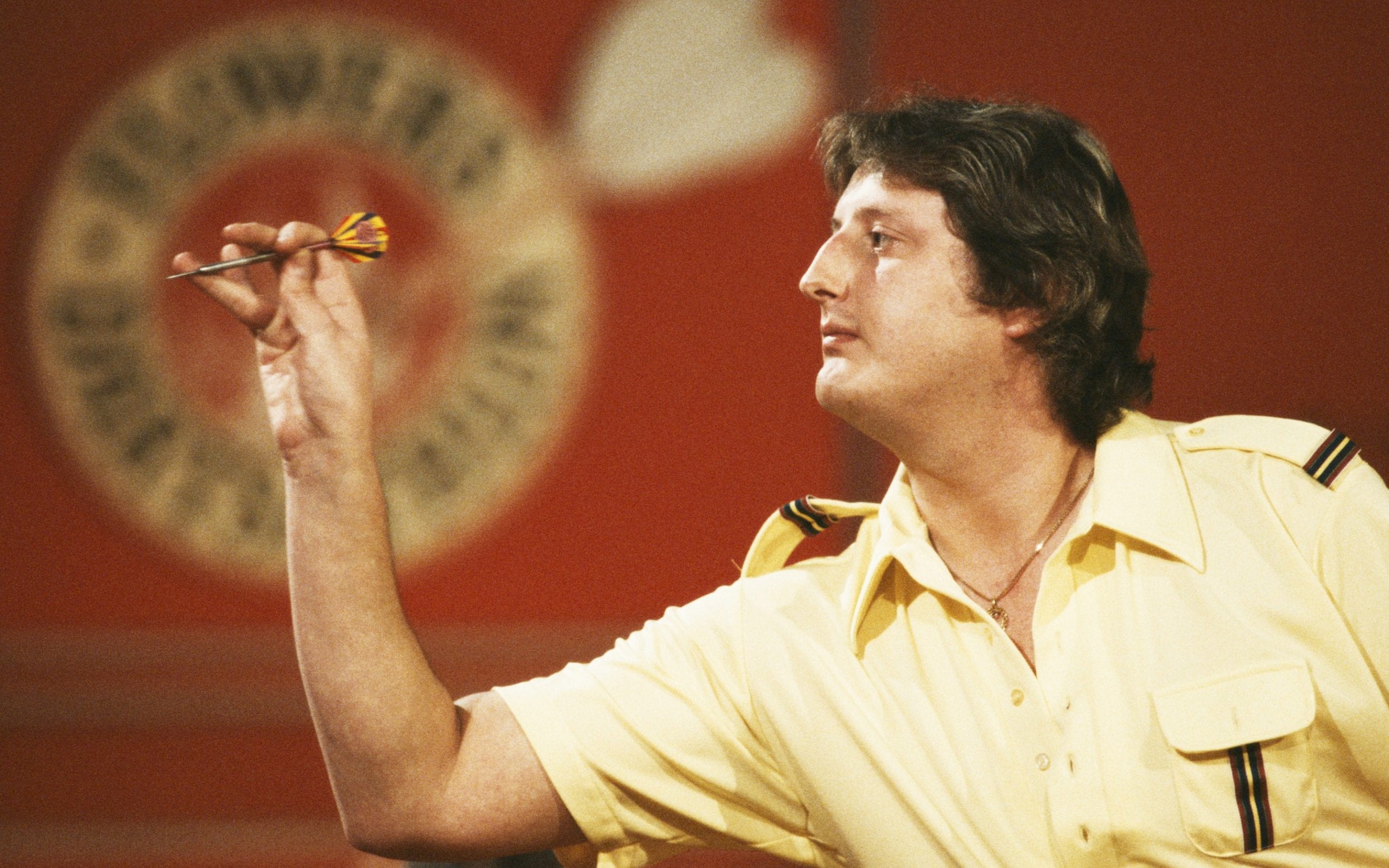
Eric Bristow aka The Crafty Cockney - Getty
Stand up if you love the darts… and if you do then this terrific 1979 film, which follows the soon-to-be “Crafty Cockney” Eric Bristow as he travels around the pubs and working men’s clubs of Britain on his way to superstardom, shows how far the sport has come. And how steeped in stale lager it has always been.
The Computer Programme
Launched in 1982, this programme asks what these strange things in beige boxes with keyboards are and where it’s all likely to lead us. Now that we know the answer (clue: we’ve all got an incredibly powerful supercomputer in our pockets), The Computer Programme is, if anything, a more interesting watch than it was back then.
Decision 79 – Election Night
Hindsight is a wonderful thing, and you can enjoy it to the full with footage of the remarkable night when Margaret Thatcher swept to power in 1979. It’s not just a record of an epoch-changing moment, either – seeing how the BBC has changed both its approach and its staff (yes, there was a Dimbleby until a few years ago, but Robin Day is a very different beast to Clive Myrie) is fascinating.
Let’s Imagine – A Branch Line Railway with John Betjeman
First broadcast in 1963, this is television that would never be conceived of, let alone made, in the 21st century. It’s all the better for it – a poet laureate casting his eye over a branch-line railway in Somerset, lamenting the decline of steam and the incursions of the modern world on his chuff-a-chugging idyll.
Whicker’s World
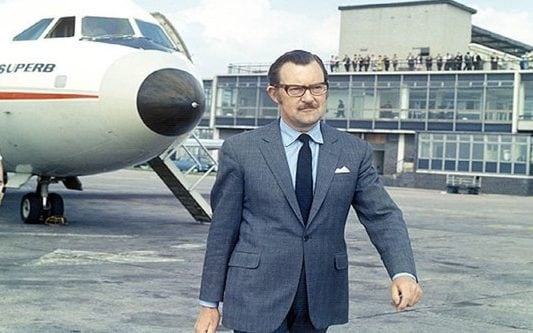
Whicker’s World - BBC
Just a pair of episodes of the benchmark reportage series are currently available, but they’re both an hour long and they’re both classics. A trip to the Kentucky Derby and then a free love festival in 1960s San Francisco are the perfect forums for Alan Whicker to sprinkle his astute social commentary all over the grainy footage – he was, as he always put it, a “journalist who travels, not a travel journalist”.
To the World’s End: Scenes and Characters on a London Bus Route
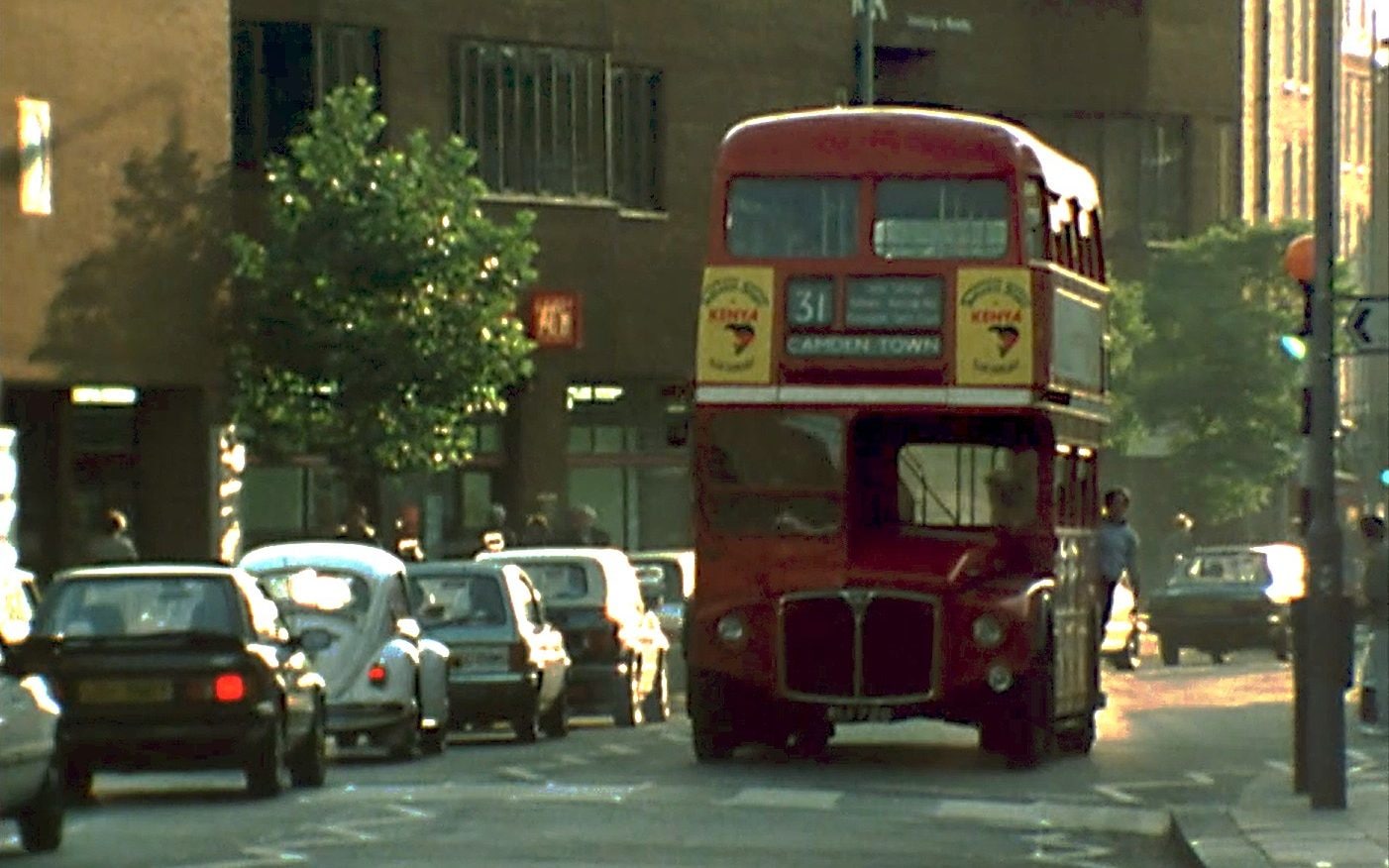
This BBC documentary is a fascinating slice of life in 1985 - BBC
First shown in 1985, this wonderful, evocative documentary simply follows the number 31 London bus from Camden Town to World’s End, Chelsea, meeting characters who live and work along the route. It’s a delight in its own right, but also planted a seed for a whole generation of fly-on-the-wall, slice-of-life film-makers such as Jane Treays and Nick Broomfield.
Source: “AOL Entertainment”
