


‘Think bigger. Much bigger’: Morgan DeBaun is ready to take Blavity to the next level
‘Think bigger. Much bigger’: Morgan DeBaun is ready to take Blavity to the next level

Kay WickerMon, November 2, 2026 at 10:46 PM UTC
0
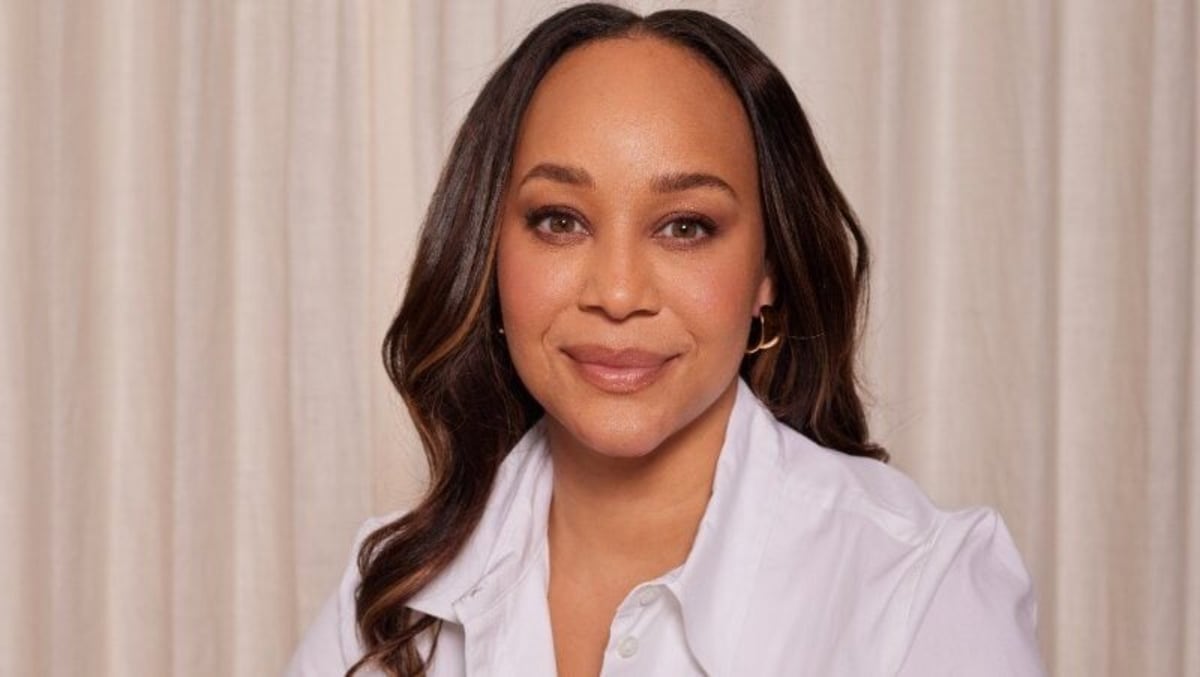
Morgan DeBaun. (Photo courtesy by Morgan DeBaun)
The Blavity founder and CEO opens up in this Q&A about Blavity’s future, media today, and where AI fits in.
Morgan DeBaun isn’t just interested in getting more Black people into the rooms where it happens—she wants them to fully own them.
“We spent a decade building a room of our own. Now it’s about what we build inside it,” the Blavity founder and CEO told theGrio via email ahead of the 10th annual AfroTech Conference.
Kicking off Monday, Nov. 2, at the George R. Brown Convention Center in Houston, the annual conference is celebrating a decade of connecting Black professionals in technology with opportunities to learn, network, and advance their careers, with an even greater emphasis on ownership and entrepreneurship this year.
“We’re not here to help people get a seat at someone else’s table,” DeBaun explained. “We want attendees to leave with real skills, real relationships and a clear plan for building something of their own.”
Themed “Build What’s Next,” and running through Friday, Nov. 6, this year’s conference will feature more than 300 speakers across 15 tracks and 11 stages, with programming on artificial intelligence, healthcare innovation, entrepreneurship, the creator economy, and more. Ahead of the conference, theGrio had the chance to catch up with DeBaun via email about how she grew Blavity from a platform for Black millennials into a multimillion-dollar media and technology company, what she’s learned along the way, what’s next for her growing empire, where AI fits in, why she wants Black journalism to be a part of the AI revolution, and so much more.
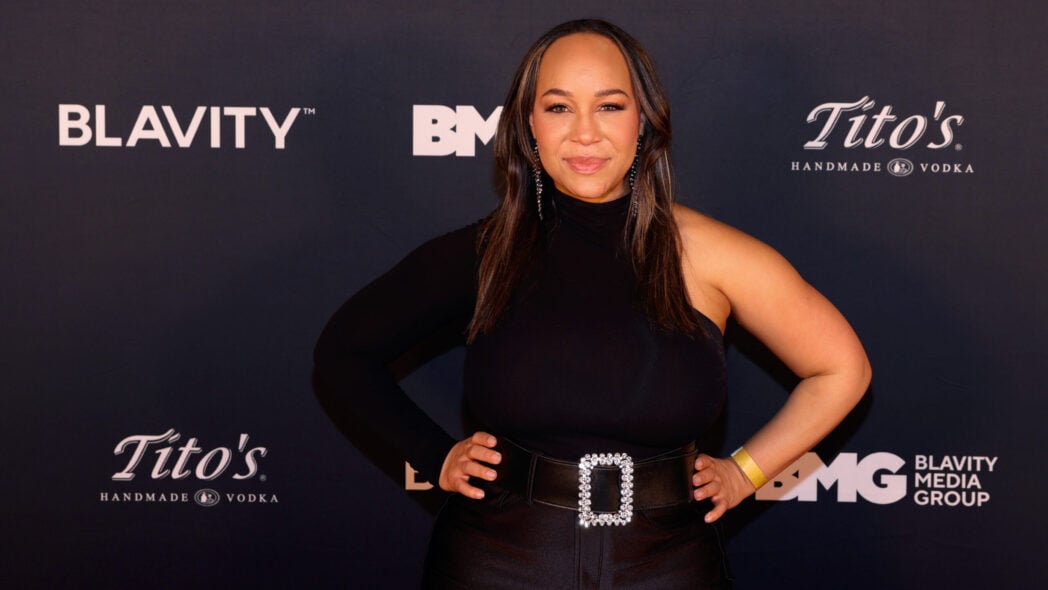
Morgan DeBaun attends the Blavity Music Awards Celebration sponsored by Tito’s Handmade Vodka at Academy LA on February 03, 2024 in Los Angeles, California. (Photo by Natasha Campos/Getty Images for Blavity)
The following Q&A has been edited and condensed for clarity.
theGrio: When you first launched Blavity in 2014, what did you envision it becoming, and how does that compare to the company you’ve built today?
DeBaun: I was building for Black millennials. We were driving the culture, but we didn’t own the platforms telling our stories, and most of the media industry didn’t take us seriously as an audience. I wanted a place where we could see ourselves and talk to each other.
Today Blavity is a media and community company. We still publish, and we also run a trade show, build technology, and offer professional development. I always had big ambitions, but I couldn’t have predicted this exact shape.
The mission hasn’t changed since 2014. How I think about our role has definitely changed. Early on, the goal was representation, making sure our voices had a platform at all. Now I care most about ownership: who owns the companies and institutions that create opportunity for the next generation, and how we make sure some of them are ours.
theGrio: You’ve spent more than a decade building Blavity into a multimillion-dollar company in industries where Black women have historically faced significant barriers. What has this journey been like for you?
DeBuan: I started my career in Silicon Valley, so I knew going in what it takes to raise money for a market investors don’t immediately understand. I’ve raised more than $12 million in venture funding, and in almost every investor and advertiser meeting I was making the same case: Black audiences are one of the most valuable and most undervalued markets out there.
When other people miss that, it’s an opening for those of us who see it. I didn’t wait for anyone to agree with me. My job was to build a business that proved it. What I’m proudest of is what we’ve done with the platform. We’ve created jobs, backed entrepreneurs, and connected people to opportunities they might not have found on their own. Leading a company also means making calls people won’t like, taking criticism, and changing course when something isn’t working. I’ve had to do all of that, and I feel privileged to still be able to lead this company.
Advertisement
theGrio: You are preparing to celebrate the tenth anniversary of the AfroTech Conference. Looking back on how it all began, what are you most proud of, and what does reaching this milestone mean to you personally?
DeBaun: We started AfroTech to give Black professionals in tech a place to connect, learn, and get into the rooms where opportunity happens. Ten years later, more than 500,000 AfroTechies have come through this community. That number is about so much more than attendance. It’s the careers, businesses, and relationships that came out of putting the right people in the same room.
What makes this milestone special is how much the conversation has grown. Ten years ago, the focus was access: getting more Black professionals into companies like Google and Meta and into the rooms where decisions get made. Today, the question is bigger: How do we build and own the companies, technologies, and institutions shaping the future? That’s what this anniversary means to me. We spent a decade building a room of our own. Now it’s about what we build inside it.
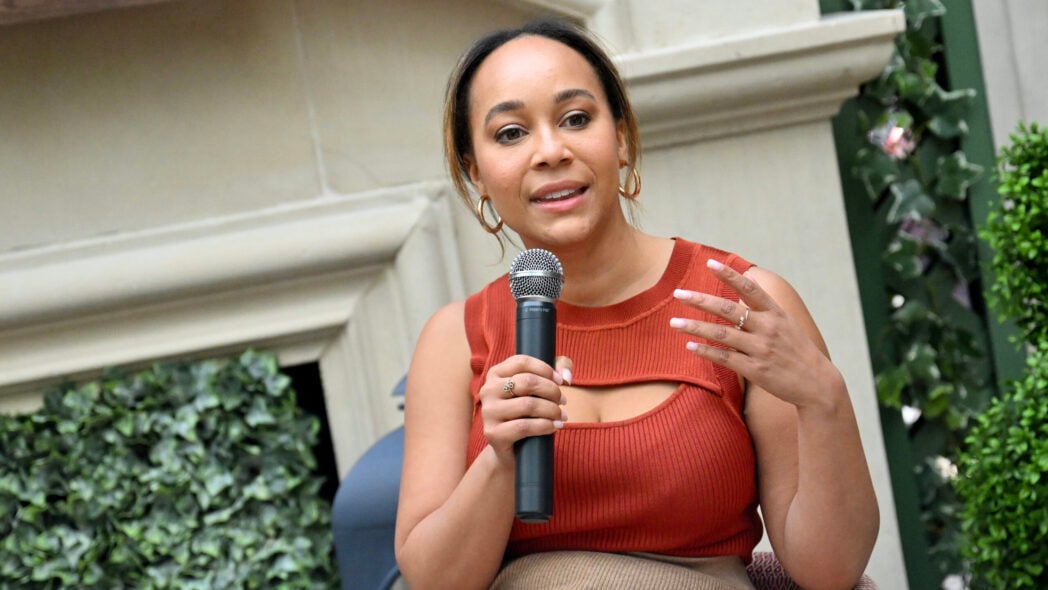
Morgan DeBaun speaks onstage during Blavity Media Group’s Home & Texture Launch Party at The Garden Room on February 18, 2023 in Atlanta, Georgia. (Photo by Paras Griffin/Getty Images for Blavity)theGrio: Between shrinking newsrooms, declining traffic, and publications struggling to stay afloat, it’s a particularly difficult time for Black media. Having spent more than a decade in the industry yourself, what do you think needs to happen for Black-owned publications to survive and thrive?
DeBaun: First, we have to be honest that the way people consume information has fundamentally changed, and build for where the audience is going, not where it used to be.
People are spending more time with video, audio, social platforms, and individual creators. That doesn’t make journalism less important. Credible reporting and fact-checking matter more than ever when misinformation moves this fast. The traditional publishing model isn’t coming back the way it was. That’s an opening for whoever builds what comes next. I believe the answer is collaboration on distribution, technology, and business models.
One of the things we’re exploring is turning Blavity.com into more of an aggregation destination, where readers can discover credible reporting from across Black media, not just our own newsroom. There are incredible journalists and publishers across our industry. We’re stronger as an ecosystem than as individual outlets solving the same problems on our own.
theGrio: Earlier this year, Blavity closed 21Ninety and Home & Texture. What went into that decision, and what has the experience taught you about the challenges of running a Black-owned media company in this current climate?
DeBaun: It was a strategic decision. I’m proud of what those brands built and the communities they served, and I’m also clear-eyed about where the market is going. Media has changed dramatically. Audience behavior is shifting, publishing economics are under pressure, and the best companies constantly reassess where their resources will create the most value. If there were enough readers reading those publications every month to pay the associated team we would have kept them sustained.
Unfortunately, after running these brands unprofitably and investing millions in each of them for over three years, we made the hard decision to refocus on our other growing properties. Black-owned companies carry a lot of responsibility. We create jobs, preserve cultural spaces and serve our communities, and we have to run great businesses at the same time. I take all of that seriously, which is exactly why sustainability comes first.
theGrio: You’ve been very vocal about your excitement around AI and what it could mean for the future of business. Meanwhile, many journalists, particularly Black journalists, are worried about losing their jobs to the technology. What do you make of those concerns, and where do you think journalists fit into the future you’re envisioning?
DeBaun: Those concerns are certainly valid. AI is changing every industry, and journalism is no exception. I understand why people are worried about their jobs. But, I also want to be clear AI didn’t create the challenges facing journalism. Media companies have been dealing with declining ad revenue, changing consumer habits, and shrinking newsrooms for years. And being excited about AI doesn’t mean I agree with every way companies use it. I believe credible journalists are becoming more important, not less.
We’re entering a world where anyone can publish anything, everyone can be a creator, and separating fact from fiction is only getting harder. Lastly, I want Black journalists and media companies to have a real stake in this future. Our reporting shouldn’t just train someone else’s technology. We should have a say in how these tools are built, how our work is used, and how we’re compensated.
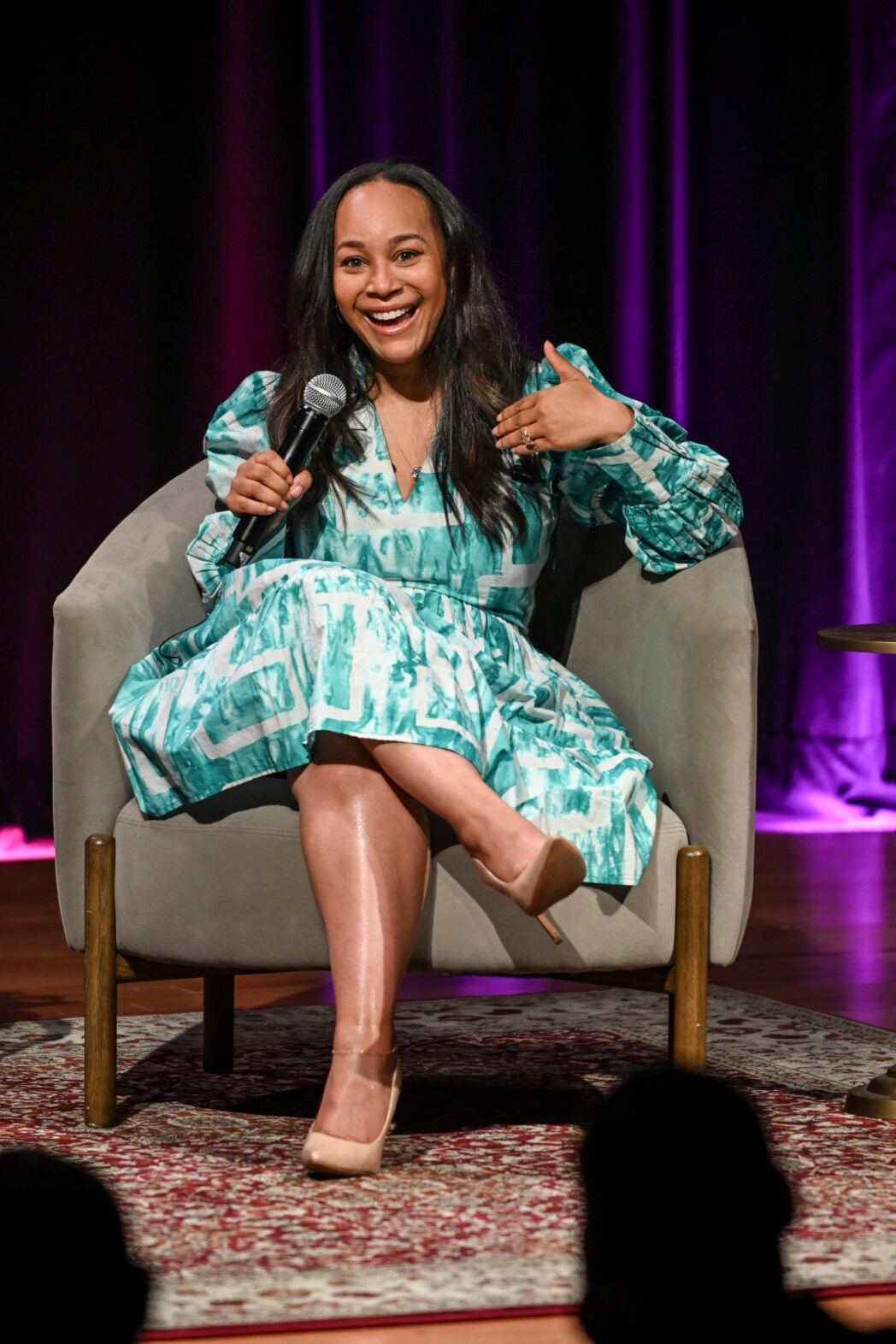
Morgan DeBaun speaks on stage during the inaugural “Women In Harmony” event at The National Museum of African American Music on March 28, 2026 in Nashville, Tennessee. (Photo by Jason Davis/Getty Images)theGrio: Between Blavity, AfroTech, your investments, and now your work as an author, you’ve accomplished quite a bit since first setting out as an entrepreneur. How has your relationship with success changed over the years, and what are you still hoping to accomplish for yourself?
DeBaun: My definition of success has evolved a lot. Early in my career, I was focused on building a successful company, raising capital, and hitting financial milestones. Those things matter, especially when you’re a young founder establishing yourself. But spending time with people who have achieved extraordinary financial success taught me that wealth alone doesn’t solve the challenges our communities face. I used to think the answer was more Black millionaires and billionaires.
Now I’m focused on institutions and infrastructure, and on whether one person’s success turns into opportunity for many more. That’s how I measure impact now. And I’m still very ambitious. I want to build great businesses, invest in great people, and keep growing as a leader. More and more, I want to build things that outlast me. To me, success is having the freedom and resources to create something meaningful and making sure it opens doors for other people.
theGrio: What advice would you give to the next generation of Black women hoping to follow in your footsteps?
DeBaun: Think bigger. Much bigger than the opportunities people have told us are available. I advise a lot of founders, and I always push them to go after the biggest market possible. Being a Black woman, or wanting your business to make an impact in your community, is not a reason to shrink your ambition. You can build for a global audience and still be intentional about creating opportunity for people who’ve been overlooked. Build your network. Know the economics of your business cold.
And get comfortable making decisions not everyone will agree with. Have conviction, but stay flexible. Some of my most important lessons came from listening to feedback, recognizing when something wasn’t working and changing course fast. And right now, learn AI. There is an enormous opportunity to build new products, services, and companies, and I want more Black women owning and leading in that future. Don’t just ask how to participate in an industry. Ask what you could build that changes it.
Source: “AOL Money”
